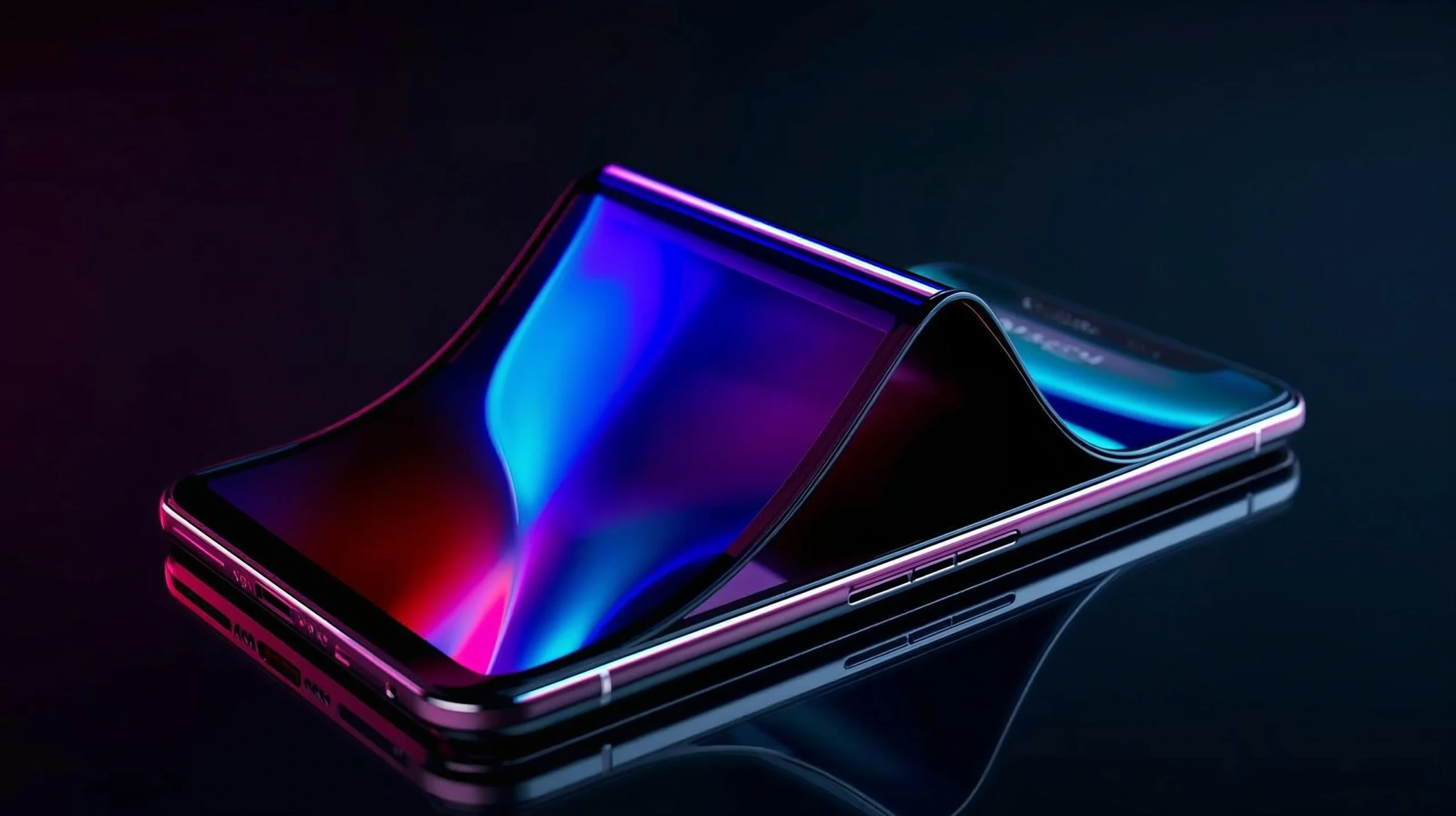
Smartphone innovation has evolved dramatically over the past decade. From bezel-less displays to powerful camera systems and AI-enhanced features, the industry continues to push boundaries. One of the biggest leaps forward came with foldable smartphones, a concept that once sounded almost impossible. Today, foldables are not just experimental—they are becoming mainstream, influencing what the future of mobile technology will look like. As brands race to introduce more advanced designs, many tech enthusiasts are now excited about the next wave of innovation, often highlighted by devices like the samsung galaxy z trifold.
Foldable devices aim to merge portability and productivity by offering tablet-sized screens in a pocket-friendly form factor. With rapid advancements in display technology, hinge durability, and software optimization, the future appears even more promising. This article explores how foldable technology is evolving, why trifold devices are the next major step, and what consumers can expect as this segment grows.
How Foldable Technology Started
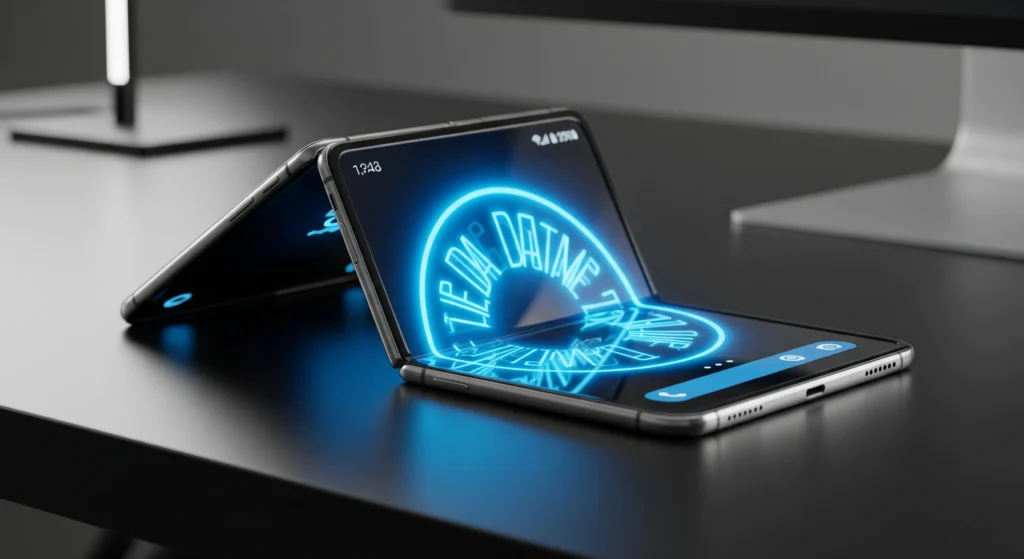
To understand the future, we must look at the journey of foldable smartphones. Early prototypes were bulky, fragile, and not practical for everyday use. The first commercially available foldables had issues like visible creases, screen sensitivity, and hinge reliability concerns. However, these problems fueled innovation.
Manufacturers invested heavily in ultra-thin glass, flexible AMOLED panels, improved hinge engineering, and scratch-resistant materials. Today, many foldables offer smooth folding, long-lasting durability, and near-seamless displays. This evolution signals that consumers are ready for even more dynamic form factors.
Why Trifold Devices Matter
The next major step in foldable evolution is the trifold design—devices that fold twice and offer an even larger display. This concept was once limited to futuristic tech videos and patents, but now it is becoming a realistic commercial possibility. A trifold device can function as a phone, mini-tablet, and full tablet in one.
This is exactly where innovations like the samsung galaxy z trifold generate excitement among users and tech reviewers. With two hinges and a more complex folding mechanism, the trifold format has the potential to completely change daily smartphone usage. It bridges the gap between smartphones, tablets, and even small laptops, offering unmatched multitasking power.
Read Also: Vivo V60 Lite Full Review: Specs, Features & Performance of the Mid-Range Powerhouse
What Makes Trifold Phones Different?
Trifold smartphones expand in two directions, allowing more flexible use cases. Instead of a single fold that doubles the screen, two folds can triple the workspace. This design enables:
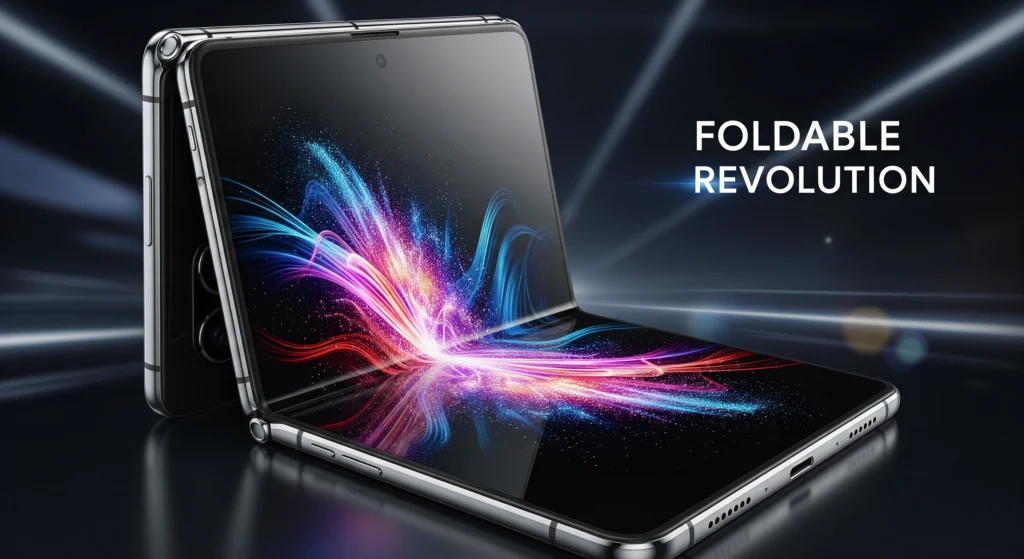
Larger Display Area
Users can enjoy a spacious interface ideal for gaming, video editing, reading, or professional tasks. Multitasking with three or more apps becomes far more practical.
Enhanced Productivity
A trifold device can handle complex workflows—split-screen, drag-and-drop, and multi-window layouts. Creators, business professionals, and students can all benefit from this extended workspace.
More Viewing Modes
Depending on how it is folded, the device can be used in compact mode, dual-screen mode, or tablet mode. This flexibility caters to all kinds of user activities.
Stronger Multitasking Capabilities
With more screen real estate, tasks such as video calls, note-taking, gaming, and content creation become seamless.
Innovations like the samsung galaxy z trifold highlight how the future may include devices that effortlessly transform between multiple forms without compromising portability.
Challenges in Creating Trifold Smartphones
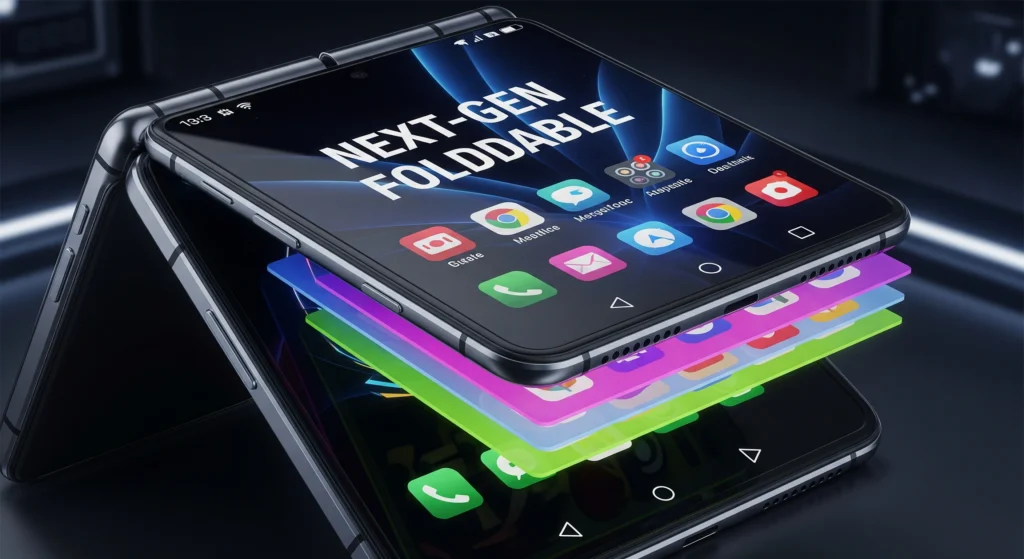
Although the concept sounds exciting, trifold technology comes with challenges:
1. Hinge Durability
A trifold device uses two hinges, making durability more complex. The hinges must support thousands of folds without loosening or breaking. Engineering such hinges requires advanced materials and precise mechanics.
2. Display Protection
Flexible displays are still delicate compared to traditional glass screens. Manufacturers must use ultra-thin glass and reinforced coatings to ensure longevity.
3. Weight and Thickness
Adding extra hinges and a larger display can make the device heavier. Innovation is needed to maintain slimness while expanding screen size.
4. Battery Efficiency
A bigger display demands more power. Efficient battery management and large-capacity batteries are crucial for all-day performance.
5. Software Optimization
Android must adapt to three display configurations. Apps should scale without distortion or bugs. Manufacturers must work closely with developers to achieve smooth transitions.
Despite these challenges, companies continue to refine trifold prototypes, aiming for perfect balance between practicality and innovation.
Read Also:Xiaomi 15T Pro: Full Specs, Features & Performance Review of the New Flagship 2025
How Trifold Devices Will Change User Experience
A trifold design offers a unique user experience that cannot be replicated by traditional smartphones. Here’s how it may impact everyday life:
Work and Productivity
Imagine replying to emails on one section, browsing the internet on another, and editing documents on a third—simultaneously. This changes the way mobile devices integrate with professional work. Business users might replace tablets and even laptops for certain tasks.
Entertainment
Binge-watching movies, playing high-graphic games, and reading comics feel more immersive with a tablet-sized screen. The device becomes a portable entertainment system.
Education and Learning
Students can use separate panels for notes, textbooks, and video lectures. This encourages more efficient learning and reduces the need for multiple devices.
Creativity
Photographers, designers, and video editors can use advanced editing tools with more workspace. A trifold layout offers the comfort of a large canvas while remaining portable.
With devices like the samsung galaxy z trifold entering conversations, consumers can expect a mobile experience that is more powerful and immersive than ever before.
The Role of AI and Software in the Next Generation
Hardware alone cannot guarantee the success of foldable and trifold devices. Software AI plays a major role. Future trifolds may include:
Smart Layout Recognition
AI can detect how the device is folded and automatically adjust the layout. For example, unfolding into tablet mode may open apps in extended format.
Adaptive Multitasking
The system learns user behavior and positions apps accordingly. For example, if you always open notes during video calls, the AI can automate this.
Seamless App Continuity
Apps transition smoothly between folded and unfolded states without reloading or lagging.
Voice and Gesture Controls
Larger displays may benefit from hands-free controls, making interaction even more fluid.
The combination of physical innovation and intelligent software creates a balanced, futuristic device ecosystem.
The Future Market for Trifold Smartphones
Market experts predict that foldable sales will grow significantly over the next five years. As the technology becomes more affordable, more consumers will shift from standard smartphones to foldable and trifold models. Brands will compete to offer devices with:
- Better display quality
- More durable hinges
- Improved battery life
- Sleeker, lighter designs
- Advanced AI features
The presence of models such as the samsung galaxy z trifold suggests that major smartphone makers are fully committed to developing complex foldable technologies. As more brands enter the market, prices will drop, making trifolds accessible to the general public.
Are Trifold Smartphones Worth Waiting For?
For users who want cutting-edge technology, enhanced multitasking, and productivity tools, trifolds are definitely worth waiting for. They combine the advantages of smartphones and tablets in one device, giving consumers unmatched versatility.
Casual users who mostly browse social media or watch videos may still find traditional smartphones convenient. However, the appeal of a single device replacing multiple gadgets cannot be ignored.
Over time, as trifold technology matures and becomes more affordable, it will likely become the new standard for premium smartphones.
Conclusion
The smartphone world is evolving rapidly, and trifold technology is shaping the next big leap. With advancements in flexible displays, hinge engineering, battery efficiency, and intelligent software, the future of mobile devices promises incredible possibilities. Devices like the samsung galaxy z trifold reflect the industry’s vision to redefine what a smartphone can be—transforming from a compact device into a full-sized workspace within seconds.
As more companies explore trifold designs, one thing is clear: the future of mobile innovation is unfolding—literally. And soon, consumers will be able to experience the power, flexibility, and creativity that these remarkable devices bring.
3 thoughts on “Samsung Galaxy Z TriFold: Official Launch and Details”